



Releases
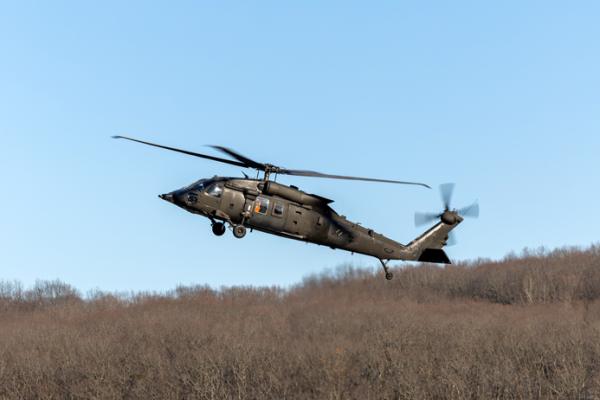
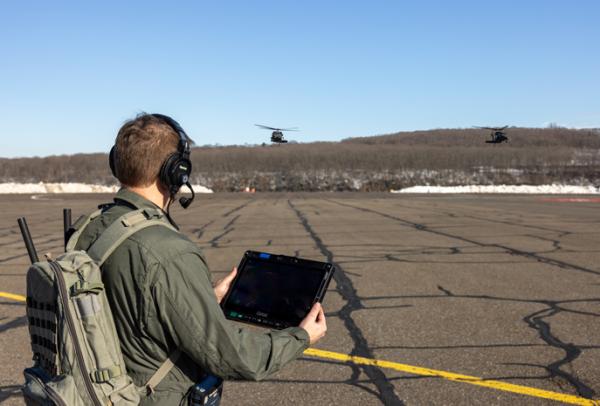
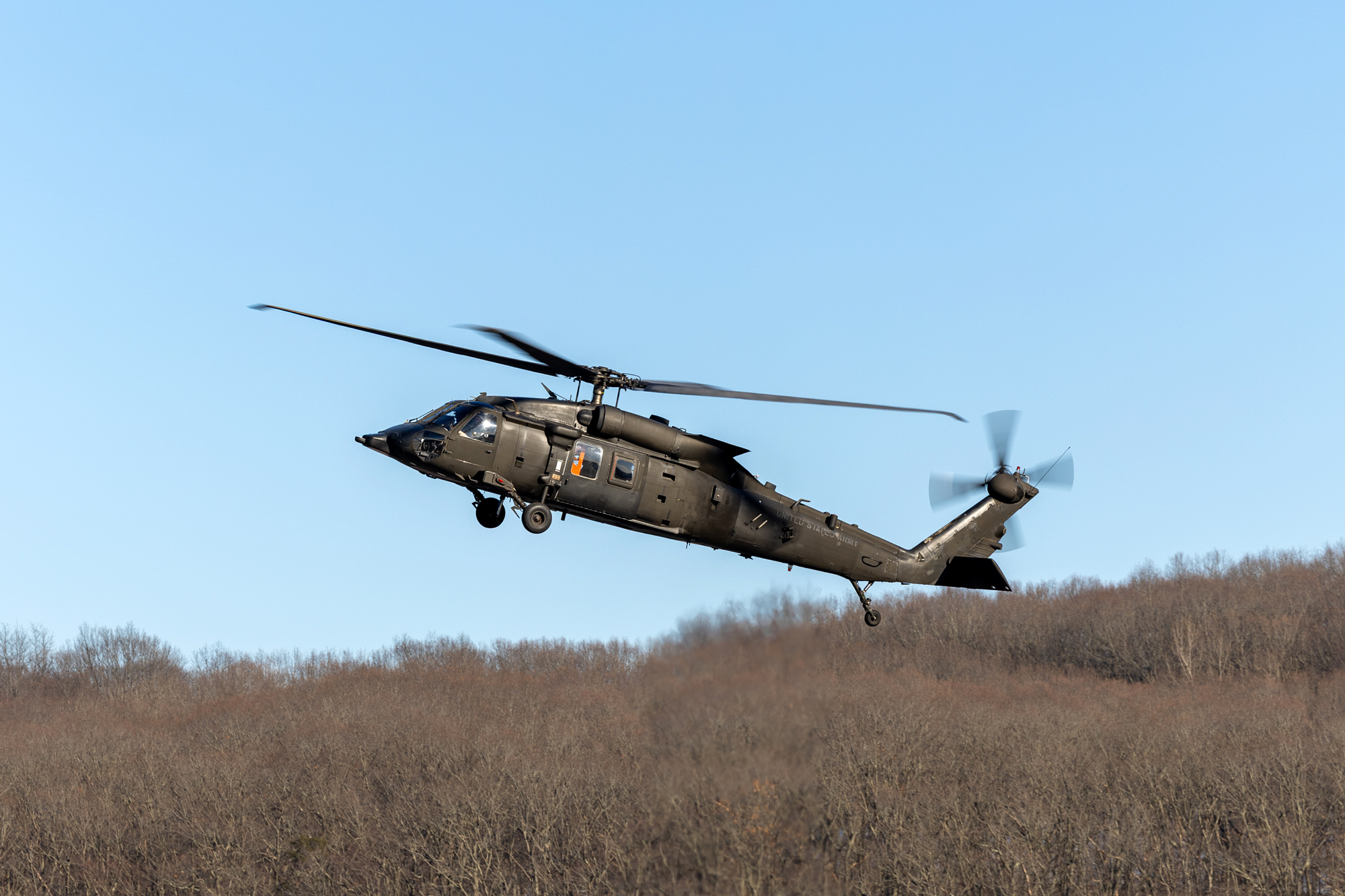
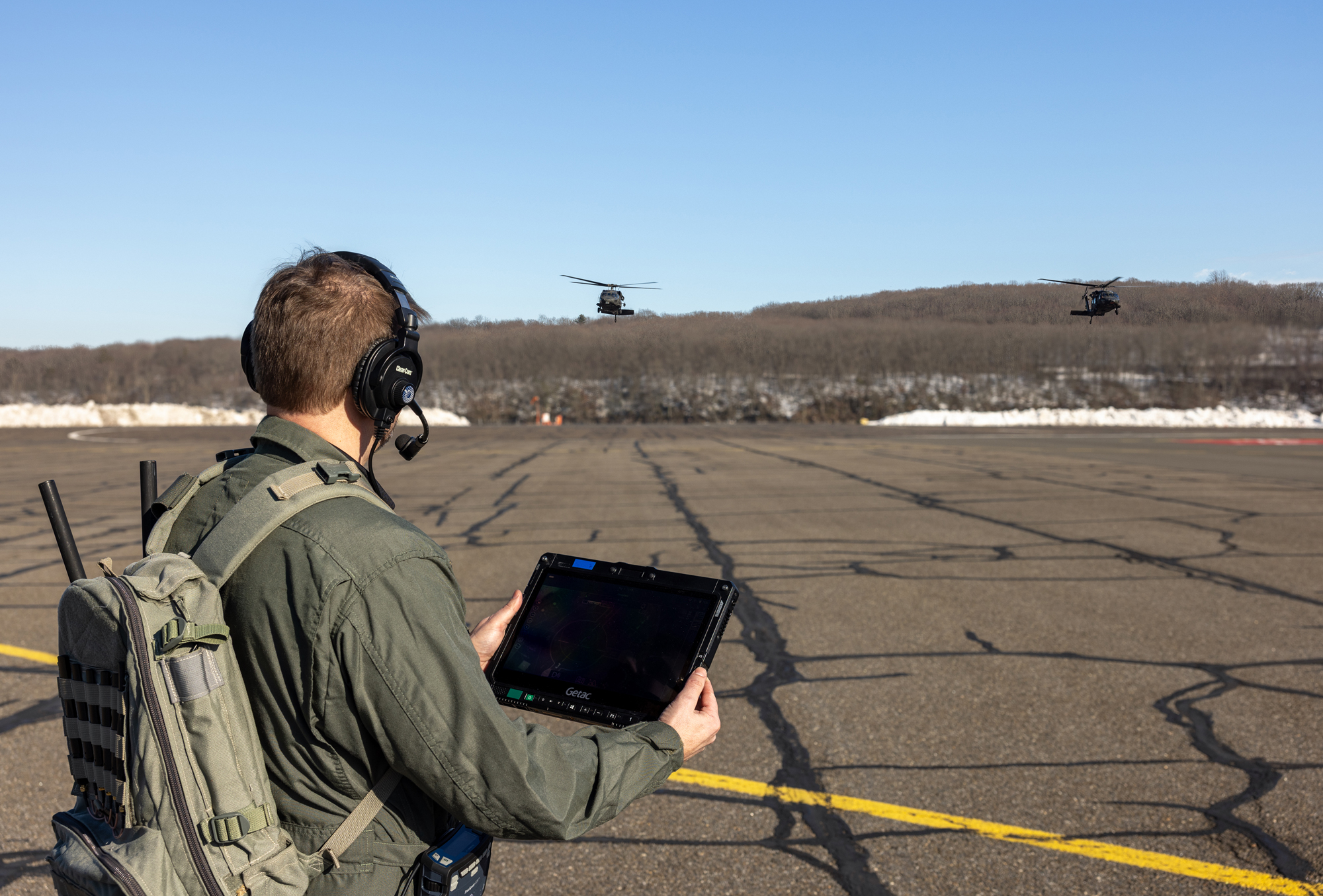
FORT EUSTIS, Va., March 23, 2026 – Sikorsky, a Lockheed Martin company (NYSE: LMT), announced the successful flight testing and delivery of the U.S. Army’s experimental UH‑60MX Black Hawk® helicopter fully integrated with the company’s MATRIX™ autonomy suite. The delivery of the UH-60MX aircraft, owned and operated by the Army, marks a milestone in the Army’s pursuit of open‑architecture, mission‑supported autonomy and optionally piloted flight.
“The Army now has a new tool that furthers its vision laid out in the Army Transformation Initiative to mature and qualify pilot‑supported autonomy,” said Rich Benton, vice president and general manager, Sikorsky. “This capability will enhance mission effectiveness and survivability for warfighters today and lay the groundwork for tomorrow’s networked systems.”
The MX aircraft mirrors Sikorsky’s UH-60A fly-by-wire Optionally Piloted Black Hawk helicopter, which has been tested by Sikorsky and Army aviators over hundreds of flight hours and was commanded by Secretary of War Pete Hegseth in November 2025. Sikorsky’s MATRIX autonomy kit has been installed on all three Army Black Hawk models, the 60A, 60L and 60M. The delivery to the U.S. Army is the first full authority fly-by-wire and optionally piloted UH-60 in the U.S. Army’s fleet.
The Army and Sikorsky worked collaboratively to install fly-by-wire flight controls to the MX aircraft and then integrate the MATRIX autonomy system in 2025. The Army Combat Capabilities Development Command (DEVCOM) will use the MX aircraft to test and evaluate autonomy capabilities, underscoring the Army’s commitment to fielding platforms that can seamlessly transition between manned, optionally piloted and fully autonomous modes.
Key Benefits
Sikorsky’s MATRIX autonomy suite is one of the priorities in the company’s autonomy strategy and Lockheed Martin’s 21st Century Security® vision, which includes modernizing the Black Hawk helicopter and introducing the S-70UAS™ U-Hawk™ to stay ahead of new and emerging threats.
MATRIX enables:
Improved Mission Effectiveness – Automated landing‑zone detection and obstacle‑avoidance enable safe operations in degraded visual environments, expanding the tactical envelope for Army missions.
Improved Aircraft Survivability – Real‑time terrain and obstacle awareness helps pilots and autonomous systems avoid threats, reducing exposure to hostile fire and hazardous terrain.
Improved Sustainment – The open architecture design reduces maintenance hours, delivering a measurable reduction in lifecycle costs.
Reduced Pilot Workload – Automation of routine flight‑control tasks allows pilots to focus on mission critical decisions, increasing overall sortie effectiveness.
Foundational Infrastructure for Future Autonomy – MATRIX establishes a scalable baseline for emerging capabilities such as launched effects, contested logistics and fully optionally‑piloted or uncrewed operations.
Looking Forward
The UH-60MX will assist the Army in the development of techniques, tactics and procedures (TTPs) for the use of optionally piloted and fully autonomous systems. The Army’s human-machine integrated formations conduct a wide variety of combat and combat support missions across the Army and joint force.
The MATRIX autonomy system forms the core of DARPA's ALIAS (Aircrew Labor In-cockpit Automation System) program.
About Lockheed Martin
Lockheed Martin is a global defense technology company driving innovation and advancing scientific discovery. Our all-domain mission solutions and 21st Century Security® vision accelerate the delivery of transformative technologies to ensure those we serve always stay ahead of ready. More information at lockheedmartin.com.
# # #
Media Contact:
Leah Foley, +1 203-394-7625, leah.foley@lmco.com