



Releases
- 2025 sales increased 6% to $75.0 billion
- Net earnings of $5.0 billion, or $21.49 per share, in 2025, including a pension settlement charge of $479 million ($377 million, or $1.63 per share, after-tax)
- Cash from operations of $8.6 billion and free cash flow of $6.9 billion in 2025 after a pension contribution of $860 million fulfilling 2026 obligation
- Record backlog of $194 billion at end of 2025
- 2026 financial outlook provided
BETHESDA, Md., Jan. 29, 2026 /PRNewswire/ -- Lockheed Martin Corporation [NYSE: LMT] today reported fourth quarter 2025 sales of $20.3 billion, compared to $18.6 billion in the fourth quarter of 2024. Net earnings in the fourth quarter of 2025 were $1.3 billion, or $5.80 per share, compared to $527 million, or $2.22 per share, including $1.7 billion ($1.3 billion, or $5.45 per share, after tax) of losses for classified programs, in the fourth quarter of 2024. Cash from operations was $3.2 billion in the fourth quarter of 2025, compared to $1.0 billion in the fourth quarter of 2024. Free cash flow was $2.8 billion in the fourth quarter of 2025, after a pension contribution of $860 million, compared to $441 million in the fourth quarter of 2024, after a pension contribution of $990 million.

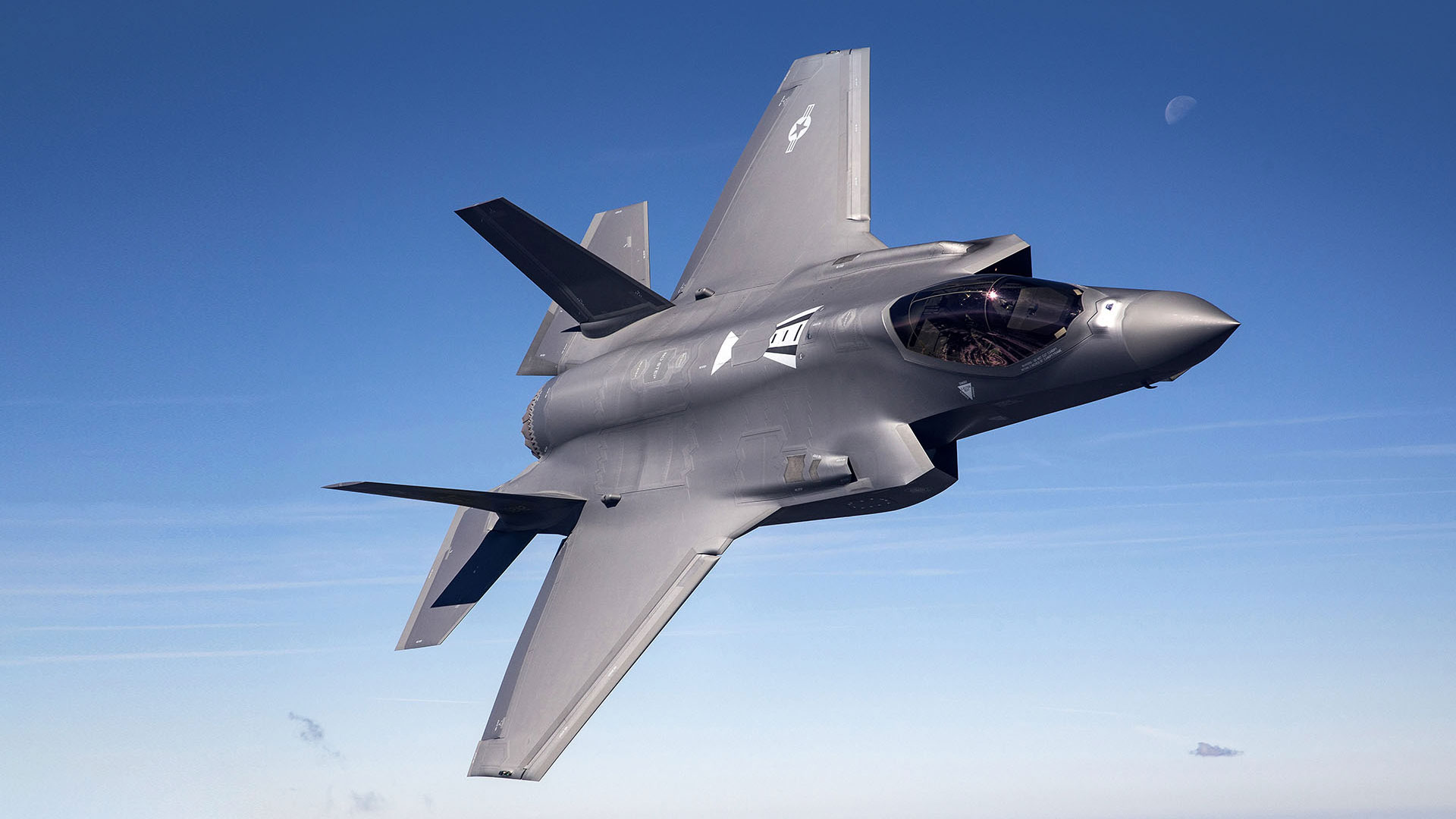
"With a record $194 billion backlog, 6% year-over-year sales growth, and free cash flow generation above our prior expectation, 2025 marked a year of unprecedented demand for Lockheed Martin capabilities. This escalating demand for our signature programs and systems has been driven by combat-proven performance over recent years that has already been again demonstrated in 2026. During the U.S. military's recent Operation Absolute Resolve, F-35 and F-22 fighter jets, RQ-170 stealth drones, and Sikorsky Black Hawk helicopters were decisive contributors to enable American soldier, sailors, marines, and airmen to successfully execute extremely difficult missions and return safely," said Lockheed Martin Chairman, President and CEO Jim Taiclet. "To ensure we continue delivering overwhelming capability at speed and scale, we invested more than $3.5 billion during 2025 in production capacity and next-generation technologies throughout the year, underscoring our disciplined capital allocation.
"Having long advocated for a new way of doing business between government and industry, we are well positioned to perform under the Department of War's Acquisition Transformation Strategy, as evidenced by our landmark, seven-year framework agreement for PAC-3 missiles early in the first quarter," Taiclet continued. "We look forward to continuing our partnership with the DoW and Congress to definitize this contract and officially unleash a new era of increased innovation, accountability and execution within the defense industrial base.
"This notable start to 2026 reinforces our confidence in Lockheed Martin's continued operational and financial growth in the year ahead. We expect sales and reported segment operating profit growth of approximately 5% and 25% year-over-year, respectively, and free cash flow between $6.5 to $6.8 billion, an increase compared to our prior expectation. With a strong emphasis on operational performance and clear alignment with our customers' national defense priorities, we will continue to deliver superior, reliable capabilities to U.S. and Allied militaries to strengthen deterrence and provide overwhelming combat advantage, while providing strong results and value to our shareholders."
Summary Financial Results
The following table presents the company's summary financial results:
|
(in millions, except per share data) |
Quarters Ended Dec. 31, |
Years Ended Dec. 31, |
||||||||
|
2025 |
2024 |
2025 |
2024 |
|||||||
|
Sales |
$ 20,321 |
$ 18,622 |
$ 75,048 |
$ 71,043 |
||||||
|
Business segment operating profit1,2 |
$ 2,058 |
$ 426 |
$ 6,743 |
$ 6,083 |
||||||
|
Unallocated items |
||||||||||
|
FAS/CAS pension operating adjustment |
380 |
406 |
1,518 |
1,624 |
||||||
|
Impairment and other charges3 |
— |
— |
(66) |
(87) |
||||||
|
Intangible asset amortization expense |
(57) |
(64) |
(254) |
(247) |
||||||
|
Other, net |
(50) |
(72) |
(210) |
(360) |
||||||
|
Total unallocated items |
273 |
270 |
988 |
930 |
||||||
|
Consolidated operating profit |
$ 2,331 |
$ 696 |
$ 7,731 |
$ 7,013 |
||||||
|
Net earnings4 |
$ 1,344 |
$ 527 |
$ 5,017 |
$ 5,336 |
||||||
|
Diluted earnings per share4 |
$ 5.80 |
$ 2.22 |
$ 21.49 |
$ 22.31 |
||||||
|
Cash from operations5 |
$ 3,219 |
$ 1,023 |
$ 8,557 |
$ 6,972 |
||||||
|
Capital expenditures |
(463) |
(582) |
(1,649) |
(1,685) |
||||||
|
Free cash flow1,5 |
$ 2,756 |
$ 441 |
$ 6,908 |
$ 5,287 |
||||||
|
1 |
Business segment operating profit and free cash flow are non-GAAP measures. See the "Use of Non-GAAP Financial Measures" section of |
|||||||||
|
2 |
Business segment operating profit for the year ended Dec. 31, 2025 included losses, recognized in second quarter of 2025, of $950 million |
|||||||||
|
3 |
Impairment and other charges for the year ended Dec. 31, 2025 included $66 million ($52 million, or $0.22 per share, after-tax) primarily for |
|||||||||
|
4 |
Net earnings for the quarter and year ended Dec. 31, 2025 included a non-operational charge of $479 million ($377 million, or $1.63 per |
|||||||||
|
5 |
Cash from operations for the quarter and year ended Dec. 31, 2025 reflects a pension contribution of $860 million. |
|||||||||
Cash from operations in the quarter and year ended Dec. 31, 2025 was $3.2 billion and $8.6 billion with free cash flow of $2.8 billion and $6.9 billion compared to $1.0 billion and $7.0 billion with $441 million and $5.3 billion in free cash flow in the quarter and year ended Dec. 31, 2024. The increase in cash from operations was primarily due to various changes in working capital (primarily timing of cash payments for accounts payable and contract liabilities at RMS) and lower tax payments, reflecting the impact of the One Big Beautiful Bill Act (the Tax Act).
The company's cash activities in the quarter and year ended Dec. 31, 2025, included the following:
- capital expenditures of $463 million and $1.6 billion;
- independent research and development of $665 million and $2.0 billion;
- cash dividends of $799 million and $3.1 billion;
- $750 million to repurchase 1.6 million shares and $3.0 billion to repurchase 6.6 million shares;
- pension contribution of $860 million; and
- scheduled long-term debt repayments of $500 million and $642 million.
Program Losses and Other Charges
The table below provides supplemental information regarding the impacts of the program losses and other charges as previously disclosed:
|
(in millions, except per share data) |
Quarters Ended Dec. 31, |
Years Ended Dec. 31, |
||||||||
|
2025 |
2024 |
2025 |
2024 |
|||||||
|
Aeronautics classified program losses1 |
$ — |
$ (410) |
$ (950) |
$ (555) |
||||||
|
MFC classified program losses |
— |
(1,310) |
— |
(1,410) |
||||||
|
RMS program losses1 |
— |
— |
(665) |
— |
||||||
|
Business segment operating profit |
— |
(1,720) |
(1,615) |
(1,965) |
||||||
|
Fixed asset write-off3 |
— |
— |
(66) |
— |
||||||
|
Unallocated other4 |
— |
86 |
81 |
98 |
||||||
|
Consolidated operating profit |
— |
(1,634) |
(1,600) |
(1,867) |
||||||
|
Pension settlement charge2 |
(479) |
— |
(479) |
— |
||||||
|
Income tax benefit5 |
211 |
343 |
438 |
392 |
||||||
|
Net earnings |
$ (268) |
$ (1,291) |
$ (1,641) |
$ (1,475) |
||||||
|
Weighted average shares outstanding |
231.9 |
237.0 |
233.5 |
239.2 |
||||||
|
Diluted earnings per share |
$ (1.16) |
$ (5.45) |
$ (7.03) |
$ (6.16) |
||||||
|
1 |
As previously described, during the second quarter of 2025, the company recognized losses of $950 million ($713 million, or $3.04 per share, |
|||||||||
|
2 |
During the fourth quarter of 2025, the company recognized a non-operational charge of $479 million ($377 million, or $1.63 per share, after- |
|||||||||
|
3 |
As previously described, during the second quarter of 2025, the company recognized a charge of $66 million ($52 million, or $0.22 per share, |
|||||||||
|
4 |
Reflects the state income tax impact associated with the program losses based on a blended state tax rate of 5%. |
|||||||||
|
5 |
Calculated using the 21% federal statutory rate for both the quarter and year ended Dec. 31, 2025. Fourth quarter of 2025 also includes $109 |
|||||||||
2026 Financial Outlook
The company's financial outlook and other sections of this news release contain forward-looking statements, which reflect the company's judgment based on the information available at the time of this news release. The financial outlook does not include potential impacts of government shutdown, or Executive Orders issued by the Administration. Additionally, it is the company's practice not to incorporate adjustments into its financial outlook for proposed or potential acquisitions, divestitures, ventures, future gains or losses related to changes in valuations of the company's net assets and liabilities for deferred compensation plans or early-stage company investments, pension annuity contracts or discretionary contributions, financing transactions, changes in law, or new accounting standards until such items have been consummated, enacted or adopted. Actual results may differ materially from those projected. For additional factors that may impact the company's actual results, refer to the "Forward-Looking Statements" section in this news release.
|
(in millions, except per share data) |
2026 Outlook |
|||
|
Sales |
$77,500 - $80,000 |
|||
|
Business segment operating profit1 |
$8,425 - $8,675 |
|||
|
Total FAS/CAS pension adjustment |
~$1,365 |
|||
|
Diluted earnings per share |
$29.35 - $30.25 |
|||
|
Cash from operations |
$9,150 - $9,450 |
|||
|
Capital expenditures |
$2,500 - $2,800 |
|||
|
Free cash flow1 |
$6,500 - $6,800 |
|||
|
1 |
Business segment operating profit and free cash flow are non-GAAP measures. See the "Use of Non-GAAP Financial Measures" section of |
|||
Segment Results
The company operates in four business segments organized based on the nature of products and services offered: Aeronautics, Missiles and Fire Control (MFC), Rotary and Mission Systems (RMS) and Space. The following table presents summary operating results of the company's business segments and reconciles these amounts to the company's consolidated financial results.
|
(in millions) |
Quarters Ended Dec. 31, |
Years Ended Dec. 31, |
||||||||
|
2025 |
2024 |
2025 |
2024 |
|||||||
|
Sales |
||||||||||
|
Aeronautics |
$ 8,524 |
$ 8,009 |
$ 30,257 |
$ 28,618 |
||||||
|
Missiles and Fire Control |
4,020 |
3,412 |
14,450 |
12,682 |
||||||
|
Rotary and Mission Systems |
4,616 |
4,261 |
17,312 |
17,264 |
||||||
|
Space |
3,161 |
2,940 |
13,029 |
12,479 |
||||||
|
Total sales |
$ 20,321 |
$ 18,622 |
$ 75,048 |
$ 71,043 |
||||||
|
Operating profit |
||||||||||
|
Aeronautics |
$ 782 |
$ 434 |
$ 2,086 |
$ 2,523 |
||||||
|
Missiles and Fire Control |
535 |
(804) |
1,989 |
413 |
||||||
|
Rotary and Mission Systems |
468 |
513 |
1,323 |
1,921 |
||||||
|
Space |
273 |
283 |
1,345 |
1,226 |
||||||
|
Total business segment operating profit |
2,058 |
426 |
6,743 |
6,083 |
||||||
|
Unallocated items |
||||||||||
|
FAS/CAS operating adjustment |
380 |
406 |
1,518 |
1,624 |
||||||
|
Impairment and other charges |
— |
— |
(66) |
(87) |
||||||
|
Intangible asset amortization expense |
(57) |
(64) |
(254) |
(247) |
||||||
|
Other, net |
(50) |
(72) |
(210) |
(360) |
||||||
|
Total unallocated items |
273 |
270 |
988 |
930 |
||||||
|
Total consolidated operating profit |
$ 2,331 |
$ 696 |
$ 7,731 |
$ 7,013 |
||||||
For information on factors impacting comparability of the company's segment sales, operating profit and operating margins, see "Management's Discussion and Analysis of Financial Condition and Results of Operations" in the company's Annual Report on Form 10-K for the year ended Dec. 31, 2024.
Consolidated net profit booking rate adjustments increased segment operating profit by approximately $275 million and $75 million in the quarter and year ended Dec. 31, 2025. Net profit booking rate adjustments for the year ended Dec. 31, 2025 include a loss of $950 million on a classified program and $140 million of unfavorable profit adjustments on C-130 program at Aeronautics, and losses of $570 million on CMHP and $95 million on TUHP at RMS.
Consolidated net profit booking rate adjustments decreased segment operating profit by approximately $1.2 billion and $180 million in the quarter and year ended Dec. 31, 2024, which include losses of $1.7 billion and $2.0 billion recognized on classified programs as previously described.
Aeronautics
|
(in millions) |
Quarters Ended Dec. 31, |
Years Ended Dec. 31, |
||||||||
|
2025 |
2024 |
2025 |
2024 |
|||||||
|
Sales |
$ 8,524 |
$ 8,009 |
$ 30,257 |
$ 28,618 |
||||||
|
Operating profit |
782 |
434 |
2,086 |
2,523 |
||||||
|
Operating margin |
9.2 % |
5.4 % |
6.9 % |
8.8 % |
||||||
Sales in the fourth quarter of 2025 increased $515 million, or 6%, compared to the same period in 2024. The increase was primarily attributable to higher sales of $300 million on classified programs due to the sales impact of losses recognized on a classified contract in 2024, partially offset by lower volume; and $200 million on the F-35 program due to higher volume and contract mix.
Operating profit in the fourth quarter of 2025 increased $348 million, or 80%, compared to the same period in 2024. This increase was attributable to $290 million of higher profit rate adjustments and $35 million from higher sales volume previously described. The higher profit rate adjustments were primarily driven by the fourth quarter 2024 adjustments ($410 million of losses recognized on a classified contract, offset by a $70 million favorable profit rate adjustment associated with the resolution of a completed C-5 Galaxy aircraft contract).
Sales in 2025 increased $1.6 billion, or 6%, compared to 2024. This increase was primarily attributable to higher sales of $1.9 billion on the F-35 program due to higher volume on production and sustainment contracts, partially offset by lower sales of $215 million due to lower volume on classified contracts.
Operating profit in 2025 decreased $437 million, or 17%, compared to 2024. The decrease was attributable to $585 million of lower profit rate adjustments, partially offset by $160 million from higher sales volume previously described. The lower profit rate adjustments were primarily driven by a net impact of $395 million of reach-forward losses recognized on a classified contract ($950 million recognized in 2025 and $555 million recognized in 2024), and $140 million of unfavorable profit adjustments on C-130 program.
Missiles and Fire Control
|
(in millions) |
Quarters Ended Dec. 31, |
Years Ended Dec. 31, |
||||||||
|
2025 |
2024 |
2025 |
2024 |
|||||||
|
Sales |
$ 4,020 |
$ 3,412 |
$ 14,450 |
$ 12,682 |
||||||
|
Operating profit |
535 |
(804) |
1,989 |
413 |
||||||
|
Operating margin |
13.3 % |
(23.6 %) |
13.8 % |
3.3 % |
||||||
Sales in the fourth quarter of 2025 increased $608 million, or 18%, compared to the same period in 2024. This increase was primarily attributable to production ramp-up of $380 million at tactical and strike missile programs (precision fires) and $180 million at integrated air and missile defense programs (existing contracts on PAC-3).
Operating profit in the fourth quarter of 2025 increased $1.3 billion, compared to the same period in 2024. This increase was attributable to a $1.2 billion increase in profit booking rate adjustments and $65 million from higher sales volume previously described. The increase in profit booking rate adjustments was primarily driven by the fourth quarter 2024 reach-forward loss of $1.3 billion recognized on a classified program.
Sales in 2025 increased $1.8 billion, or 14%, compared to 2024. This increase was primarily attributable to production ramp-up of $1.4 billion at tactical and strike missile programs (Joint Air-to-Surface Standoff Missile (JASSM), Long Range Anti-Ship Missile (LRASM) and precision fires) and $450 million at integrated air and missile defense programs (existing contracts on PAC-3).
Operating profit in 2025 increased $1.6 billion, or 382%, compared to 2024. This increase was attributable to a $1.3 billion increase in profit booking rate adjustments primarily driven by reach-forward losses of $1.4 billion recognized in 2024 on a classified program and $190 million from higher sales volume previously described.
Rotary and Mission Systems
|
(in millions) |
Quarters Ended Dec. 31, |
Years Ended Dec. 31, |
||||||||
|
2025 |
2024 |
2025 |
2024 |
|||||||
|
Sales |
$ 4,616 |
$ 4,261 |
$ 17,312 |
$ 17,264 |
||||||
|
Operating profit |
468 |
513 |
1,323 |
1,921 |
||||||
|
Operating margin |
10.1 % |
12.0 % |
7.6 % |
11.1 % |
||||||
Sales in the fourth quarter of 2025 increased $355 million, or 8%, compared to the same period in 2024. The increase was primarily attributable to higher net sales of $225 million on Integrated warfare systems and sensors (IWSS) programs due to higher volume on radar programs and the River Class Destroyer (RCD) (formally known as Canadian Surface Combatant) program; and $145 million on Sikorsky helicopter programs primarily due to higher production volume on Black Hawk programs.
Operating profit in the fourth quarter of 2025 decreased $45 million, or 9%, compared to the same period in 2024. This decrease was attributable to a $40 million decrease in profit booking rate adjustments and $40 million from lower cost recoveries and contract mix, partially offset by $35 million increase from higher sales volume previously described. The decrease in profit booking rate adjustments was primarily due to unfavorable profit adjustments on Black Hawk programs. The decrease in cost recoveries and contract mix includes a $30 million intellectual property license arrangement in the fourth quarter of 2024.
Sales in 2025 were comparable to 2024. Sales increased $95 million on Sikorsky helicopter programs primarily due to higher production volume on Black Hawk programs, partially offset by the impact of unfavorable cumulative adjustments to sales driven by recognizing reach-forward losses on CMHP and TUHP in the second quarter of 2025 and lower production volume on Seahawk programs. Additionally, sales increased $75 million on IWSS programs due to higher volume on the RCD program and radar programs, partially offset by lower volume on Littoral Combat Ship (LCS). These increases were offset by lower net sales of $165 million for various TLS programs due to lower volume.
Operating profit in 2025 decreased $598 million, or 31%, compared to 2024. This decrease was attributable to a $610 million decrease in profit booking rate adjustments. The decrease in profit booking rate adjustments was primarily due to the reach-forward losses recognized on CMHP and TUHP in the second quarter of 2025, partially offset by unfavorable profit adjustments on Seahawk programs in the first quarter of 2024.
Space
|
(in millions) |
Quarters Ended Dec. 31, |
Years Ended Dec. 31, |
||||||||
|
2025 |
2024 |
2025 |
2024 |
|||||||
|
Sales |
$ 3,161 |
$ 2,940 |
$ 13,029 |
$ 12,479 |
||||||
|
Operating profit |
273 |
283 |
1,345 |
1,226 |
||||||
|
Operating margin |
8.6 % |
9.6 % |
10.3 % |
9.8 % |
||||||
Sales in the fourth quarter of 2025 increased $221 million, or 8%, compared to the same period in 2024. This increase was primarily attributable to higher sales volume of $135 million for strategic and missile defense programs on the NGI and FBM programs, $45 million for national security space programs on Transport Layer program, and $30 million for commercial civil space programs primarily on the Orion program.
Operating profit in the fourth quarter of 2025 decreased $10 million, or 4%, compared to the same period in 2024. This decrease was due to $20 million of lower equity earnings from the company's investment in United Launch Alliance (ULA), partially offset by $15 million increase from higher sales volume previously described.
Sales in 2025 increased $550 million, or 4%, compared to 2024. This increase was primarily attributable to higher sales volume of $380 million for strategic and missile defense programs on the NGI and FBM programs, and $255 million for commercial civil space programs primarily on the Orion program. These increases were partially offset by a decrease of $135 million on national security space programs due to program lifecycle in the OPIR mission.
Operating profit in 2025 increased $119 million, or 10%, compared to 2024. This increase was attributable to a $145 million increase in profit booking rate adjustments, and $30 million increase from higher sales volume previously described; which were partially offset by $40 million of lower equity earnings from the company's investment in ULA. The increase in profit booking rate adjustments was primarily due to favorable performance at completion on certain commercial civil space programs.
Total equity (losses) and earnings (ULA) were not significant during both the quarter and year ended Dec. 31, 2025, compared to approximately $15 million, or 5%, and $45 million, or 4%, of Space's operating profit for the same periods in 2024.
Income Taxes
The company's effective income tax rate was 12.2% and (1.5)% for the quarters ended Dec. 31, 2025 and 2024. The company's effective income tax rate was 15.3% and 14.2% for the years ended Dec. 31, 2025 and 2024. The higher effective income tax rate for the quarter ended Dec. 31, 2025 was attributable to the Tax Act primarily driven by lower tax deductions for foreign derived intangible income (FDII) partially offset by the favorable resolution of certain federal income tax audit items with the Internal Revenue Service. The rates for all periods benefited from research and development tax credits, dividends paid to the company's defined contribution plans with an employee stock ownership plan feature, tax deductions for FDII and employee equity awards.
Use of Non-GAAP Financial Measures
This news release contains the following non-generally accepted accounting principles (non-GAAP) financial measures (as defined by U.S. Securities and Exchange Commission (SEC) Regulation G). While management believes that these non-GAAP financial measures may be useful in evaluating the financial performance of the company, this information should be considered supplemental to, and not a substitute for, financial information prepared in accordance with GAAP. In addition, the company's definitions for non-GAAP financial measures may differ from similarly titled measures used by other companies or analysts.
Business segment operating profit
Business segment operating profit represents operating profit from the company's business segments before unallocated income and expense. This measure is used by the company's senior management in evaluating the performance of its business segments and is a performance goal in the company's annual incentive plan. Business segment operating margin is calculated by dividing business segment operating profit by sales. The table below reconciles the non-GAAP measure business segment operating profit with the most directly comparable GAAP financial measure, consolidated operating profit.
|
(in millions) |
2026 Outlook |
|||
|
Business segment operating profit (non-GAAP) |
$8,425 - $8,675 |
|||
|
FAS/CAS operating adjustment1 |
~1,685 |
|||
|
Intangible asset amortization expense |
~(200) |
|||
|
Other, net |
~(475) |
|||
|
Consolidated operating profit (GAAP) |
$9,435 - $9,685 |
|||
|
1 |
Reflects the amount by which total CAS pension cost of $1.7 billion exceeds FAS pension service cost and excludes non-service FAS pension |
|||
Free cash flow
Free cash flow is cash from operations less capital expenditures. The company's capital expenditures are comprised of equipment and facilities infrastructure and information technology (inclusive of costs for the development or purchase of internal-use software that are capitalized). The company uses free cash flow to evaluate its business performance and overall liquidity and it is a performance goal in the company's annual and long-term incentive plans. The company believes free cash flow is a useful measure for investors because it represents the amount of cash generated from operations after reinvesting in the business and that may be available to return to stockholders and creditors (through dividends, stock repurchases and debt repayments) or available to fund acquisitions or other investments. The entire free cash flow amount is not necessarily available for discretionary expenditures, however, because it does not account for certain mandatory expenditures, such as the repayment of maturing debt and future pension contributions.
Webcast and Conference Call Information
Lockheed Martin Corporation will webcast live the earnings results conference call (listen-only mode) on Thursday, Jan. 29, 2026, at 8:30 a.m. ET on the Lockheed Martin Investor Relations website at www.lockheedmartin.com/investor. The accompanying presentation slides and relevant financial charts are also available at www.lockheedmartin.com/investor.
For additional information, visit the company's website: www.lockheedmartin.com.
About Lockheed Martin
Lockheed Martin is a global defense technology company driving innovation and advancing scientific discovery. Our all-domain mission solutions and 21st Century Security® vision accelerate the delivery of transformative technologies to ensure those we serve always stay ahead of ready. More information at www.lockheedmartin.com.
Forward-Looking Statements
This news release contains statements that, to the extent they are not recitations of historical fact, constitute forward-looking statements within the meaning of the federal securities laws, and are based on Lockheed Martin's current expectations and assumptions. The words "believe," "estimate," "anticipate," "project," "intend," "expect," "plan," "outlook," "scheduled," "forecast" and similar expressions are intended to identify forward-looking statements. These statements are not guarantees of future performance and are subject to risks and uncertainties. Actual results may differ materially due to factors such as:
- the company's reliance on contracts with the U.S. Government, which are dependent on U.S. Government funding and can be terminated for convenience, and the company's ability to negotiate favorable contract terms;
- budget uncertainty, the risk of future budget cuts, the impact of continuing resolution funding mechanisms, the debt ceiling and government shutdowns, and changing funding and acquisition priorities;
- risks related to the development, production, sustainment, performance, schedule, cost and requirements of complex and technologically advanced programs, including the F-35 program;
- planned production rates and orders for significant programs, compliance with stringent performance and reliability standards, and materials availability, including government furnished equipment and rare earth minerals;
- the timing of contract awards or contract definitization, decisions by government customers to impose contract terms following undefinitized contract actions, achievement of performance milestones, customer acceptance of product deliveries, and receipt of customer payments;
- the company's ability to recover costs under U.S. Government contracts, the mix of fixed-price and cost-reimbursable contracts and the risks inherent in preparing estimates for fixed-price contracts (particularly for complex and technologically advanced programs);
- customer procurement and other policies, laws, regulations and executive actions that affect the company and its industry, programs, future opportunities, and financial performance, including those relating to mission priorities, competing domestic and international spending, contracting terms (such as fixed-price requirements), acquisition process reforms, treatment of contractor performance issues, and contractor access to competitive opportunities;
- performance and/or financial viability of key suppliers, teammates, joint ventures (including United Launch Alliance), joint venture partners, subcontractors and customers;
- economic, industry, business and political conditions including their effects on governmental policy;
- the impact of inflation and other cost pressures;
- government actions that restrict or prevent the sale or delivery of the company's products (such as delays in approvals for exports requiring Congressional notification);
- foreign policy and international trade actions taken by governments such as tariffs, sanctions, embargoes, export and import controls, buying preferences, and other trade restrictions;
- the company's success expanding into and doing business in adjacent markets and internationally and the risks posed by international sales, including potential effects from fluctuations in currency exchange rates;
- changes in non-U.S. national priorities and government budgets and planned orders;
- the competitive environment for the company's products and services;
- the company's ability to develop and commercialize new technologies and products, including emerging digital and network technologies and capabilities;
- the company's ability to benefit fully from or adequately protect its intellectual property rights;
- the company's ability to attract and retain a highly skilled workforce and the impact of work stoppages or other labor disruptions;
- cyber or other security threats or other disruptions faced by the company or its suppliers;
- the company's ability to implement and continue, and the timing and impact of, capitalization changes such as share repurchases, dividend payments and financing transactions, including as a result of presidential executive orders;
- the accuracy of the company's estimates and projections;
- changes in pension plan assumptions and actual returns on pension assets; cash funding requirements and pension annuity contracts and associated charges;
- realizing the anticipated benefits of acquisitions or divestitures, investments, joint ventures, teaming arrangements or internal reorganizations, and market volatility affecting the fair value of investments that are marked to market;
- the company's efforts to fund and increase production capabilities and the efficiency of its operations and improve the affordability of its products and services, including through digital transformation and cost reduction initiatives;
- the risk of an impairment of the company's assets, including the potential impairment of goodwill and intangibles;
- the availability and adequacy of the company's insurance and indemnities;
- compliance with laws, regulations, policies, and customer requirements relating to environmental matters;
- the impact of public health crises, natural disasters and other severe weather conditions on the company's business and financial results, including supply chain disruptions and delays, employee absences, and program delays;
- changes in accounting, U.S. or foreign tax, export or other laws, regulations, and policies and their interpretation or application, and changes in the amount or reevaluation of uncertain tax positions; and
- the outcome of legal proceedings, bid protests, environmental remediation efforts, audits, administrative reviews, government investigations or government allegations that the company has failed to comply with law, other contingencies and U.S. Government identification of deficiencies in its business systems.
These are only some of the factors that may affect the forward-looking statements contained in this news release. For a discussion identifying additional important factors that could cause actual results to differ materially from those anticipated in the forward-looking statements, see the company's filings with the U.S. Securities and Exchange Commission including, but not limited to, "Management's Discussion and Analysis of Financial Condition and Results of Operations" and "Risk Factors" in the company's most recent Annual Report on Form 10-K and subsequent quarterly reports on Form 10-Q. The company's filings may be accessed through the Investor Relations page of its website, www.lockheedmartin.com/investor, or through the website maintained by the SEC at www.sec.gov.
The company's actual financial results likely will be different from those projected due to the inherent nature of projections. Given these uncertainties, forward-looking statements should not be relied on in making investment decisions. The forward-looking statements contained in this news release speak only as of the date of its issuance. Except where required by applicable law, the company expressly disclaims a duty to provide updates to forward-looking statements after the date of this news release to reflect subsequent events, changed circumstances, changes in expectations, or the estimates and assumptions associated with them. The forward-looking statements in this news release are intended to be subject to the safe harbor protection provided by the federal securities laws.
|
Lockheed Martin Corporation |
|||||||||
|
Consolidated Statements of Earnings |
|||||||||
|
(unaudited; in millions, except per share data) |
|||||||||
|
Quarters Ended Dec. 31, |
Years Ended Dec. 31, |
||||||||
|
2025 |
2024 |
2025 |
2024 |
||||||
|
Sales |
$ 20,321 |
$ 18,622 |
$ 75,048 |
$ 71,043 |
|||||
|
Operating costs and expenses |
(17,999) |
(17,932) |
(67,429) |
(64,113) |
|||||
|
Gross profit |
2,322 |
690 |
7,619 |
6,930 |
|||||
|
Other income, net |
9 |
6 |
112 |
83 |
|||||
|
Operating profit |
2,331 |
696 |
7,731 |
7,013 |
|||||
|
Interest expense |
(290) |
(264) |
(1,118) |
(1,036) |
|||||
|
Non-service FAS pension (expense) income1 |
(578) |
15 |
(874) |
62 |
|||||
|
Other non-operating income, net |
68 |
72 |
183 |
181 |
|||||
|
Earnings before income taxes |
1,531 |
519 |
5,922 |
6,220 |
|||||
|
Income tax expense |
(187) |
8 |
(905) |
(884) |
|||||
|
Net earnings1 |
$ 1,344 |
$ 527 |
$ 5,017 |
$ 5,336 |
|||||
|
Effective tax rate |
12.2 % |
(1.5 %) |
15.3 % |
14.2 % |
|||||
|
Earnings per common share |
|||||||||
|
Basic |
$ 5.82 |
$ 2.23 |
$ 21.56 |
$ 22.39 |
|||||
|
Diluted |
$ 5.80 |
$ 2.22 |
$ 21.49 |
$ 22.31 |
|||||
|
Weighted average shares outstanding |
|||||||||
|
Basic |
230.9 |
236.0 |
232.7 |
238.3 |
|||||
|
Diluted |
231.9 |
237.0 |
233.5 |
239.2 |
|||||
|
Common shares reported in stockholders' equity at end of period |
229 |
234 |
|||||||
|
1 |
In the quarter and year ended Dec. 31, 2025, the company recognized a non-operational charge of $479 million ($377 million, or $1.63 per |
||||||||
|
Lockheed Martin Corporation |
|||||||||||||
|
Business Segment Summary Operating Results |
|||||||||||||
|
(unaudited; in millions) |
|||||||||||||
|
Quarters Ended Dec. 31, |
Years Ended Dec. 31, |
||||||||||||
|
2025 |
2024 |
% |
2025 |
2024 |
% |
||||||||
|
Sales |
|||||||||||||
|
Aeronautics |
$ 8,524 |
$ 8,009 |
6 % |
$ 30,257 |
$ 28,618 |
6 % |
|||||||
|
Missiles and Fire Control |
4,020 |
3,412 |
18 % |
14,450 |
12,682 |
14 % |
|||||||
|
Rotary and Mission Systems |
4,616 |
4,261 |
8 % |
17,312 |
17,264 |
— % |
|||||||
|
Space |
3,161 |
2,940 |
8 % |
13,029 |
12,479 |
4 % |
|||||||
|
Total sales |
$ 20,321 |
$ 18,622 |
9 % |
$ 75,048 |
$ 71,043 |
6 % |
|||||||
|
Operating profit |
|||||||||||||
|
Aeronautics |
$ 782 |
$ 434 |
80 % |
$ 2,086 |
$ 2,523 |
(17 %) |
|||||||
|
Missiles and Fire Control |
535 |
(804) |
(167 %) |
1,989 |
413 |
382 % |
|||||||
|
Rotary and Mission Systems |
468 |
513 |
(9 %) |
1,323 |
1,921 |
(31 %) |
|||||||
|
Space |
273 |
283 |
(4 %) |
1,345 |
1,226 |
10 % |
|||||||
|
Total business segment operating |
2,058 |
426 |
383 % |
6,743 |
6,083 |
11 % |
|||||||
|
Unallocated items |
|||||||||||||
|
FAS/CAS operating adjustment |
380 |
406 |
1,518 |
1,624 |
|||||||||
|
Impairment and other charges |
— |
— |
(66) |
(87) |
|||||||||
|
Intangible asset amortization expense |
(57) |
(64) |
(254) |
(247) |
|||||||||
|
Other, net |
(50) |
(72) |
(210) |
(360) |
|||||||||
|
Total unallocated items |
273 |
270 |
1 % |
988 |
930 |
6 % |
|||||||
|
Total consolidated operating profit |
$ 2,331 |
$ 696 |
235 % |
$ 7,731 |
$ 7,013 |
10 % |
|||||||
|
Operating margin |
|||||||||||||
|
Aeronautics |
9.2 % |
5.4 % |
6.9 % |
8.8 % |
|||||||||
|
Missiles and Fire Control |
13.3 % |
(23.6 %) |
13.8 % |
3.3 % |
|||||||||
|
Rotary and Mission Systems |
10.1 % |
12.0 % |
7.6 % |
11.1 % |
|||||||||
|
Space |
8.6 % |
9.6 % |
10.3 % |
9.8 % |
|||||||||
|
Total business segment operating |
10.1 % |
2.3 % |
9.0 % |
8.6 % |
|||||||||
|
Total consolidated operating margin |
11.5 % |
3.7 % |
10.3 % |
9.9 % |
|||||||||
|
Lockheed Martin Corporation |
|||||
|
Consolidated Balance Sheets |
|||||
|
(in millions, except par value) |
|||||
|
Dec. 31, 2025 |
Dec. 31, 2024 |
||||
|
(unaudited) |
|||||
|
Assets |
|||||
|
Current assets |
|||||
|
Cash and cash equivalents |
$ 4,121 |
$ 2,483 |
|||
|
Receivables, net |
3,901 |
2,351 |
|||
|
Contract assets |
13,001 |
12,957 |
|||
|
Inventories |
3,524 |
3,474 |
|||
|
Other current assets |
815 |
584 |
|||
|
Total current assets |
25,362 |
21,849 |
|||
|
Property, plant and equipment, net |
8,875 |
8,726 |
|||
|
Goodwill |
11,314 |
11,067 |
|||
|
Intangible assets, net |
1,887 |
2,015 |
|||
|
Deferred income taxes |
2,975 |
3,557 |
|||
|
Capitalized software |
2,417 |
1,866 |
|||
|
Other noncurrent assets |
7,010 |
6,537 |
|||
|
Total assets |
$ 59,840 |
$ 55,617 |
|||
|
Liabilities and equity |
|||||
|
Current liabilities |
|||||
|
Accounts payable |
$ 3,630 |
$ 2,222 |
|||
|
Salaries, benefits and payroll taxes |
3,184 |
3,125 |
|||
|
Contract liabilities |
11,440 |
9,795 |
|||
|
Current maturities of long-term debt |
1,168 |
643 |
|||
|
Other current liabilities |
3,913 |
3,635 |
|||
|
Total current liabilities |
23,335 |
19,420 |
|||
|
Long-term debt, net |
20,532 |
19,627 |
|||
|
Accrued pension liabilities |
3,915 |
4,791 |
|||
|
Other noncurrent liabilities |
5,337 |
5,446 |
|||
|
Total liabilities |
53,119 |
49,284 |
|||
|
Stockholders' equity |
|||||
|
Common stock, $1 par value per share |
229 |
234 |
|||
|
Additional paid-in capital |
— |
— |
|||
|
Retained earnings |
14,034 |
14,551 |
|||
|
Accumulated other comprehensive loss |
(7,542) |
(8,452) |
|||
|
Total stockholders' equity |
6,721 |
6,333 |
|||
|
Total liabilities and equity |
$ 59,840 |
$ 55,617 |
|||
|
Lockheed Martin Corporation |
||||
|
Consolidated Statements of Cash Flows |
||||
|
(unaudited; in millions) |
||||
|
Years Ended Dec. 31, |
||||
|
2025 |
2024 |
|||
|
Operating activities |
||||
|
Net earnings |
$ 5,017 |
$ 5,336 |
||
|
Adjustments to reconcile net earnings to net cash provided by operating |
||||
|
Depreciation and amortization |
1,687 |
1,559 |
||
|
Stock-based compensation |
304 |
277 |
||
|
Deferred income taxes |
372 |
(588) |
||
|
Pension settlement charge |
479 |
— |
||
|
Impairment and other charges |
66 |
87 |
||
|
Reach-forward losses on select programs |
1,615 |
1,965 |
||
|
Changes in assets and liabilities |
||||
|
Receivables, net |
(1,550) |
(219) |
||
|
Contract assets |
(283) |
(109) |
||
|
Inventories |
(286) |
(478) |
||
|
Accounts payable |
1,341 |
(93) |
||
|
Contract liabilities |
1,219 |
605 |
||
|
Income taxes |
(255) |
131 |
||
|
Qualified defined benefit pension plans |
(415) |
(992) |
||
|
Other, net |
(754) |
(509) |
||
|
Net cash provided by operating activities |
8,557 |
6,972 |
||
|
Investing activities |
||||
|
Capital expenditures |
(1,649) |
(1,685) |
||
|
Other, net |
(328) |
(107) |
||
|
Net cash (used for) investing activities |
(1,977) |
(1,792) |
||
|
Financing activities |
||||
|
Issuance of long-term debt, net of related costs |
1,985 |
2,970 |
||
|
Repayments of long-term debt |
(642) |
(168) |
||
|
Repurchases of common stock |
(3,000) |
(3,700) |
||
|
Dividends paid |
(3,131) |
(3,059) |
||
|
Other, net |
(154) |
(182) |
||
|
Net cash (used for) financing activities |
(4,942) |
(4,139) |
||
|
Net change in cash and cash equivalents |
1,638 |
1,041 |
||
|
Cash and cash equivalents at beginning of period |
2,483 |
1,442 |
||
|
Cash and cash equivalents at end of period |
$ 4,121 |
$ 2,483 |
||
|
Lockheed Martin Corporation |
|||||
|
Selected Financial Data |
|||||
|
(unaudited; in millions) |
|||||
|
2026 Outlook |
2025 Actual |
||||
|
Total FAS expense and CAS cost |
|||||
|
FAS pension expense |
$ (370) |
$ (924) |
|||
|
Less: CAS pension cost |
1,735 |
1,568 |
|||
|
Total FAS/CAS pension adjustment |
$ 1,365 |
$ 644 |
|||
|
Less: pension settlement charge |
— |
479 |
|||
|
Total FAS/CAS pension adjustment - adjusted1 |
$ 1,365 |
$ 1,123 |
|||
|
Service and non-service cost reconciliation |
|||||
|
FAS pension service cost |
$ (50) |
$ (50) |
|||
|
Less: CAS pension cost |
1,735 |
1,568 |
|||
|
FAS/CAS pension operating adjustment |
1,685 |
1,518 |
|||
|
Non-service FAS pension expense |
(320) |
(874) |
|||
|
Total FAS/CAS pension adjustment |
$ 1,365 |
$ 644 |
|||
|
Less: pension settlement charge |
— |
479 |
|||
|
Total FAS/CAS pension adjustment - adjusted1 |
$ 1,365 |
$ 1,123 |
|||
|
1 |
The cost components in the table above relate only to the company's qualified defined benefit pension plans. The company recognized a |
||||
|
Lockheed Martin Corporation |
|||||
|
Other Financial and Operating Information |
|||||
|
(unaudited; in millions, except for aircraft deliveries and weeks) |
|||||
|
Backlog |
Dec. 31, 2025 |
Dec. 31, 2024 |
|||
|
Aeronautics |
$ 59,435 |
$ 62,763 |
|||
|
Missiles and Fire Control |
46,650 |
38,783 |
|||
|
Rotary and Mission Systems |
47,715 |
38,117 |
|||
|
Space |
39,822 |
36,377 |
|||
|
Total backlog |
$ 193,622 |
$ 176,040 |
|||
|
Quarters Ended Dec. 31, |
Years Ended Dec. 31, |
||||||||
|
Aircraft Deliveries |
2025 |
2024 |
2025 |
2024 |
|||||
|
F-35 |
48 |
62 |
191 |
110 |
|||||
|
F-16 |
4 |
7 |
16 |
16 |
|||||
|
C-130J |
— |
8 |
2 |
21 |
|||||
|
Government helicopter programs |
35 |
25 |
90 |
72 |
|||||
|
Commercial helicopter programs |
— |
1 |
2 |
1 |
|||||
|
International military helicopter programs |
11 |
8 |
17 |
17 |
|||||
|
Number of Weeks in Reporting Period1 |
2026 |
2025 |
2024 |
|||
|
First quarter |
12 |
13 |
13 |
|||
|
Second quarter |
13 |
13 |
13 |
|||
|
Third quarter |
13 |
13 |
13 |
|||
|
Fourth quarter |
14 |
13 |
13 |
|||
|
1 |
Calendar quarters are typically comprised of 13 weeks. However, the company closes its books and records on the last Sunday of each month, |
|||||
SOURCE Lockheed Martin
